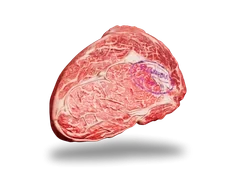
 Ribeye
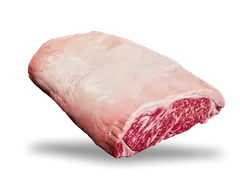 Striploin
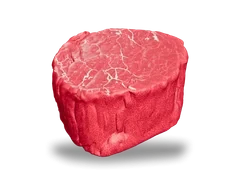 Tenderloin
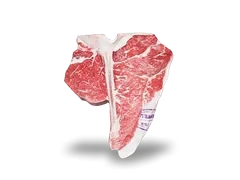 T-bone
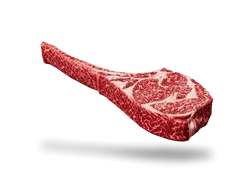 Tomahawk
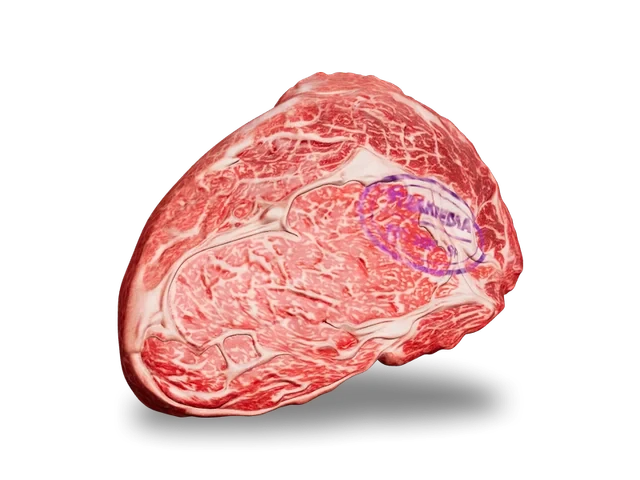
 New York
 Madrid
 Sydney
 Hanoi
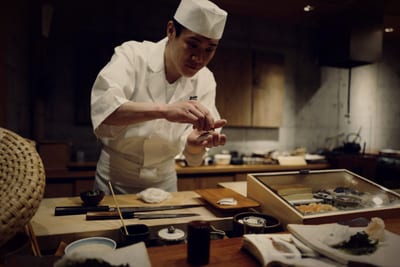 Tokyo
 Montevideo
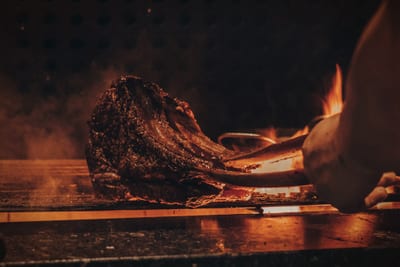 Prime rib
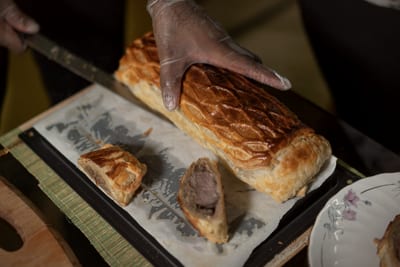 Beef Wellington
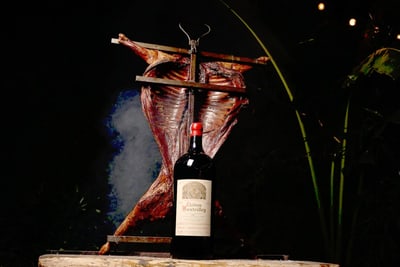 Asado
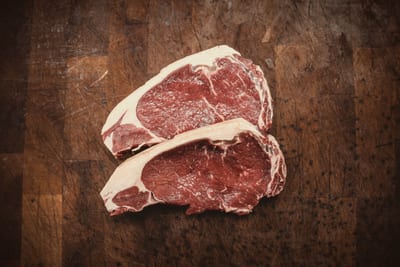 Chuletón
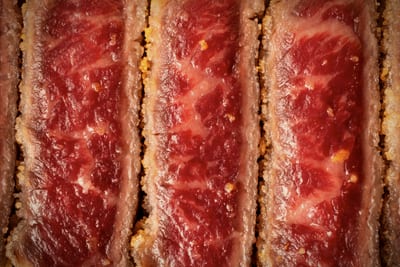 Gyukatsu
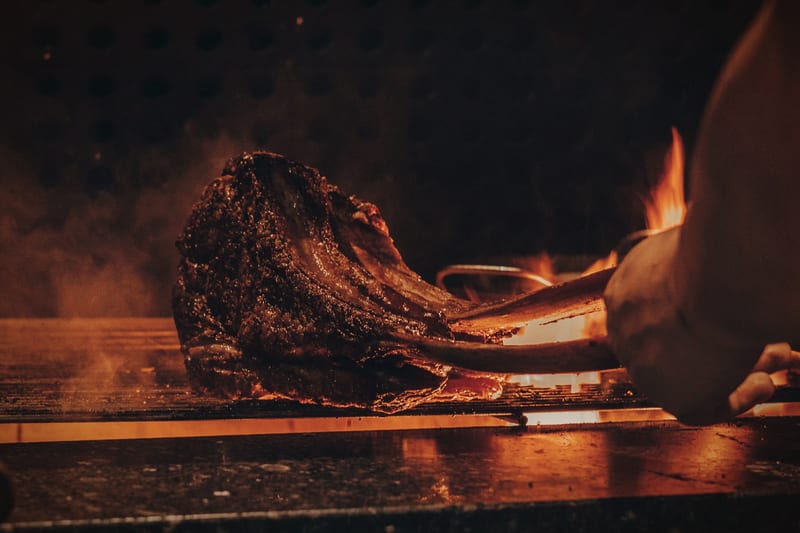
 Wagyu
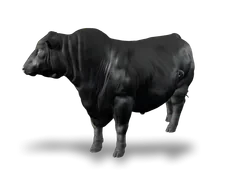 Angus
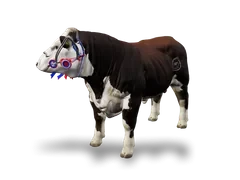 Hereford
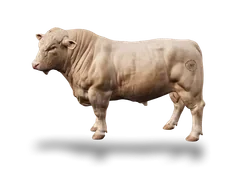 Charolais
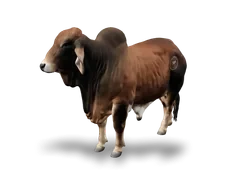 Brahman
News · At the counter
South Korea Tests Hanwoo From Younger Cattle in 642 Supermarkets
South Korea’s agriculture ministry is putting Hanwoo beef from cattle raised 28 months or less, some three months younger than the average Hanwoo steer, on sale in 642 supermarkets under the brand Yeonghanu. The packs carry new plain-language names for the grades, and the chains are selling the beef at up to 49.9% below their usual prices, with the last sales on Nov. 27–28.
Report · South Korea
At a glance
- What
- Yeonghanu: Hanwoo beef from cattle slaughtered at 28 months of age or younger
- Usual age
- 30 months or more; Hanwoo steers average about 31
- Where
- 642 supermarkets: Nonghyup Hanaro Mart, E-Land Kim’s Club, GS The Fresh
- Price
- Up to 49.9% below each chain’s usual price (1++ deungsim, GS The Fresh, Nov. 27–28)
- Grades
- KAPE 1++ to 3, with new names: Eomseon, Silsok, Altteul
- Farm losses
- 999,000 won a head for fattening Hanwoo in 2025
- Sources
- MAFRA (Nov. 11 and May 14, 2026); Statistics Korea surveys, via Korean press
Younger cattle, lower costs
The sales test whether shoppers will buy native beef from cattle raised for a shorter time. Hanwoo, Korea’s native cattle, are usually slaughtered at 30 months of age or older, the Ministry of Agriculture, Food and Rural Affairs says; for steers, or castrated males, the national average is about 31 months. Slaughtering earlier lowers production costs such as feed, the ministry says.

Farmers have been losing money. Fattening Hanwoo lost 999,000 won a head in 2025 and 1.61 million won in 2024, according to production cost surveys by Statistics Korea (since October 2025 the Ministry of Data and Statistics), as reported by Nongmin, a farm daily. It was the fourth year of losses in a row; in 2021 the same survey showed a profit of 292,000 won a head.

What is on sale
The ministry announced the second round on Nov. 11, after a first one in May that sold 189 head. Each chain sells one grade group; the discount is against the chain’s own usual price.
| Chain (stores) | Grade (new label) | Deungsim, won per 100 grams | Discount | Usual price implied* |
|---|---|---|---|---|
| Nonghyup Hanaro Mart (6, Seoul area) From Nov. 12 until sold out | 1 (Silsok) | 9,590 | 21.3% | ≈ 12,190 |
| E-Land Kim’s Club (28) Nov. 18–19 | 2 (Altteul) | 6,990 | 30.0% | ≈ 9,990 |
| GS The Fresh (608) Nov. 27–28 | 1+ (Eomseon) | 8,990 | 39.9% | ≈ 14,960 |
| GS The Fresh (608) Nov. 27–28 | 1++ (Eomseon) | 9,990 | 49.9% | ≈ 19,940 |
*Sale price divided by (1 − discount): Steakpedia’s arithmetic, rounded to 10 won. Source: MAFRA, Nov. 11, 2026.

During the GS The Fresh sale, 1++ deungsim costs 1,000 won more per 100 grams than 1+, about 11% more; at the chain’s usual prices the gap is about 5,000 won, a third more.
Deungsim (등심) is the boneless rib eye, from the chuck end to the 13th rib. Korea sells the striploin (chaekkeut) and the tenderloin (ansim) as separate cuts, and deungsim is not the American sirloin.

New names for the grades
Korean beef is graded by the Korea Institute for Animal Products Quality Evaluation from 1++ down to 3, mainly on marbling. Those grades still apply to Yeonghanu. What is new is a consumer label added to the pack: the ministry groups 1++ and 1+ as Eomseon (엄선, “carefully selected”), grade 1 as Silsok (실속, “good value”) and grades 2 and 3 as Altteul (알뜰, “thrifty”).
What it means on the plate
Does a younger animal mean less marbling? The studies do not agree. A 2018 review reports marbling scores rising as cattle were taken to 26, 28 and 30 months, and says longer feeding also adds inedible fat that can lower grade and yield. A 2022 study of 403 Hanwoo found comparable marbling scores at different slaughter ages.
GS The Fresh told the ministry it trimmed less fat in processing and got more saleable meat from each carcass, and that shoppers found no difference in taste or quality from regular Hanwoo. Those are the retailer’s accounts: the ministry has published no marbling scores or grade breakdown for these cattle, and Steakpedia has not tasted the beef. Chuksan News, a livestock trade paper, has reported concern among Hanwoo producers that shorter raising could mean lighter carcasses and lower grades.
For a cook the grade on the pack is still the guide: deungsim from a 1++ carcass of 28 months or less has been graded under the same rules as any other 1++. Since 2019, though, 1++ has covered marbling scores 7, 8 and 9 on KAPE’s own 1-to-9 scale, and Korean packs show the number next to the grade; the ministry has not said how these cattle split among them, or how many it will sell next year.
More from Steakpedia: Hanwoo, Korea’s native cattle · beef grading systems compared · the 3D cow, primal by primal.
This report is based on releases from South Korea’s Ministry of Agriculture, Food and Rural Affairs (May 14 and Nov. 11, 2026), Ministry of Data and Statistics figures and Korean press reports; Steakpedia interviewed no one for it. Korean label names are Steakpedia’s translations. No one named here paid for or reviewed this story. To report an error, see the corrections page.
Keep reading
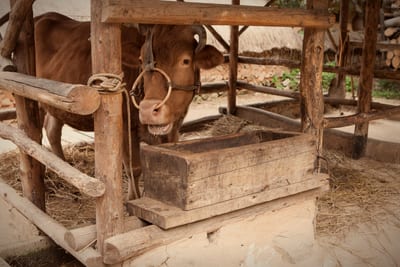 Breed · South KoreaHanwooSouth Korea’s native cattle: from plow animal to the beef graded 1++ to 3 and cooked at the table.
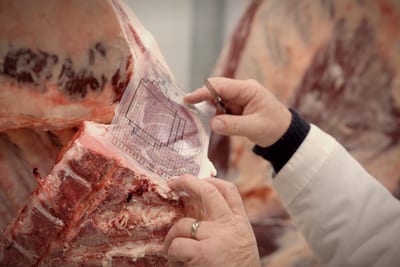 Standards · USDA, A5, MSA, EUROPBeef grading systemsUSDA, A5, MSA stars, Korea’s 1++ and EUROP side by side: what each grade measures and what it doesn’t.
- News · Report · Field visits 2026Thai Wagyu on the plate: flap and striploin from Nguadoi, Chiang MaiFlap and striploin from a Thai Wagyu farm near Chiang Mai: the crosses, the fattening the farm reports, and where to try it.
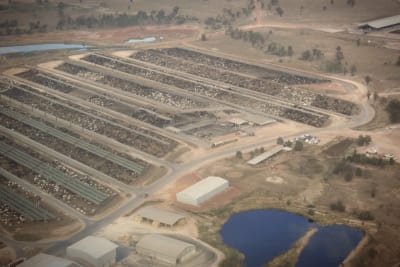 News · Report · Field visits 2026Visiting Stanbroke, Gold at the World Steak Challenge in Three CutsGold in three cuts, two feedlots in a day and eight beef categories: a visit to Stanbroke.
- News · AnnouncementSteakpedia opens News: every story says how we know itSteakpedia opens News: three visits and one desk report, each labeled by how we know it.
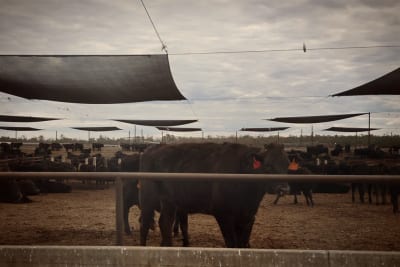 News · Report · Field visits 2026Visiting Stockyard, Australia’s Most Awarded Beef BrandA night at Kerwee, the Queensland feedlot behind Australia’s most awarded beef brand, and where to eat it.
Frequently asked questions
What is Yeonghanu?
A brand of Hanwoo beef from cattle slaughtered at 28 months of age or younger, sold through supermarkets at a discount under a program of South Korea’s agriculture ministry, in rounds in May and November 2026.
Does younger Hanwoo have less marbling?
The studies do not agree. A 2018 review reports marbling rising up to 30 months; a 2022 study of 403 Hanwoo found comparable scores at different slaughter ages. Yeonghanu is graded on the same KAPE scale as other Hanwoo, and the pack shows the grade.
Sources
8
- Ministry of Agriculture, Food and Rural Affairs (MAFRA), South Korea. 농식품부, 사육 기간은 줄이고 가격은 낮춘 단기비육 한우고기 브랜드 ‘영하누’ 판매 (press release), Nov. 11, 2026. Read Nov. 23, 2026. www.mafra.go.kr/bbs/home/792/582225/artclView.do
- MAFRA. “한우, 30개월 이상 키워야만 맛있을까?” 농식품부, ‘단기비육 한우’ 최대 40% 저렴하게 판매 (press release), May 14, 2026. Read Nov. 23, 2026. www.mafra.go.kr/bbs/home/792/577913/artclView.do
- MAFRA. 단기비육 실천 및 저탄소 축산물 생산 등 생산혁신 실천하는 한우농가 확대에 최선 (press release), Dec. 12, 2024. Read Nov. 24, 2026. www.mafra.go.kr/bbs/home/792/572533/artclView.do
- MAFRA. 소고기 1++등급 근내지방도 번호 구분 표기, Dec. 5, 2019. Read Nov. 24, 2026. www.mafra.go.kr/bbs/mafra/69/322199/artclView.do
- Nongmin, via Daum. 한우농가 여전히 ‘적자’…비육우 한마리 팔면 100만원 밑졌다, May 19, 2026 (livestock production cost surveys, 2021–2025). Read Nov. 24, 2026. v.daum.net/v/20260519070025740
- Chung, K. Y., et al. Current situation and future prospects for beef production in South Korea: A review. Asian-Australasian Journal of Animal Sciences 31(7), 2018. Read Nov. 24, 2026. www.animbiosci.org/journal/view.php?doi=10.5713%2Fajas.18.0187
- Kwon, K.-M., et al. Market weight, slaughter age, and yield grade to determine economic carcass traits and primal cuts yield of Hanwoo beef. Journal of Animal Science and Technology 64(1), 2022. Read Nov. 24, 2026. pmc.ncbi.nlm.nih.gov/articles/PMC8819321
- Chuksan News. 한우 단기비육 정책 가속도…현장은 ‘온도차’, Aug. 13, 2026. Read Nov. 24, 2026. www.chuksannews.co.kr/news/article.html?no=273063
Pass it on