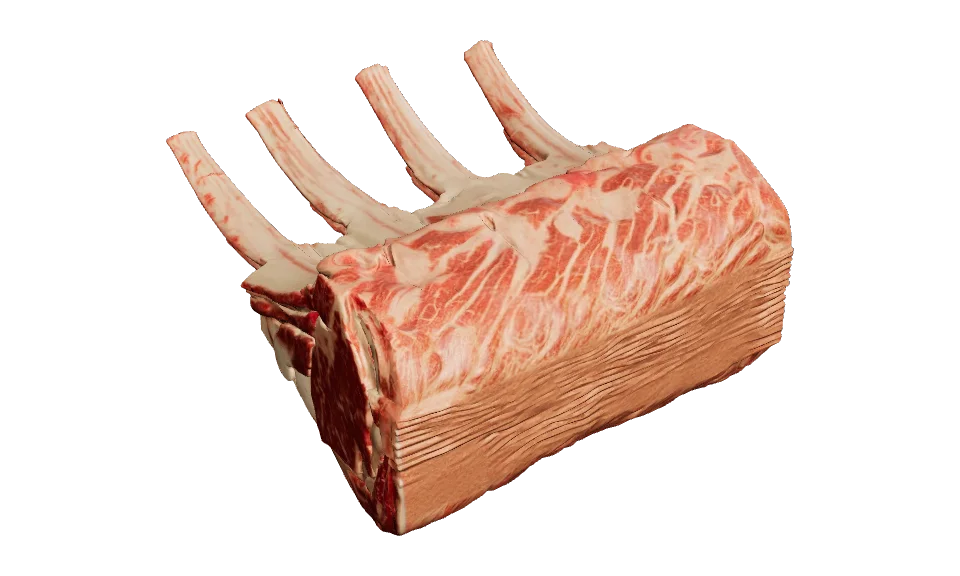
 Ribeye
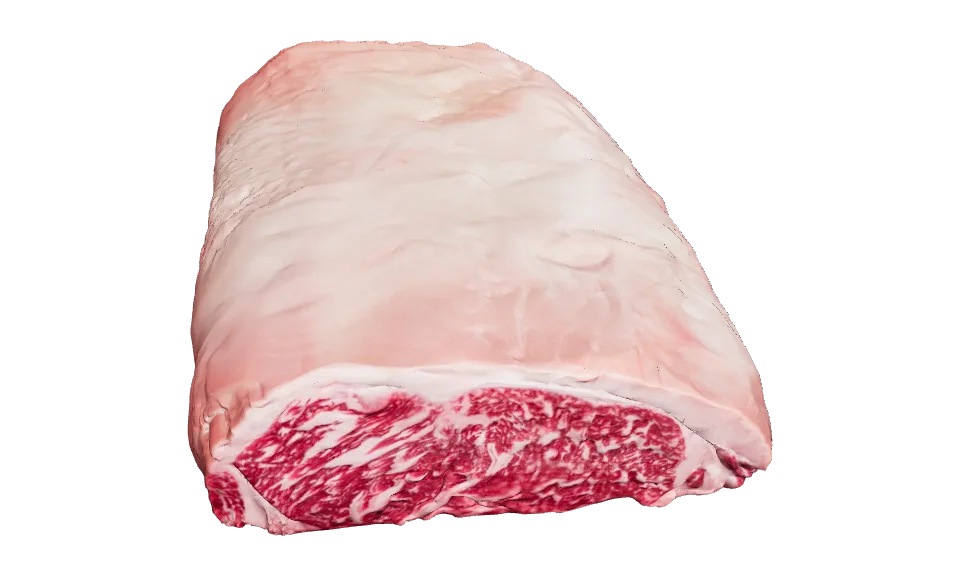 Striploin
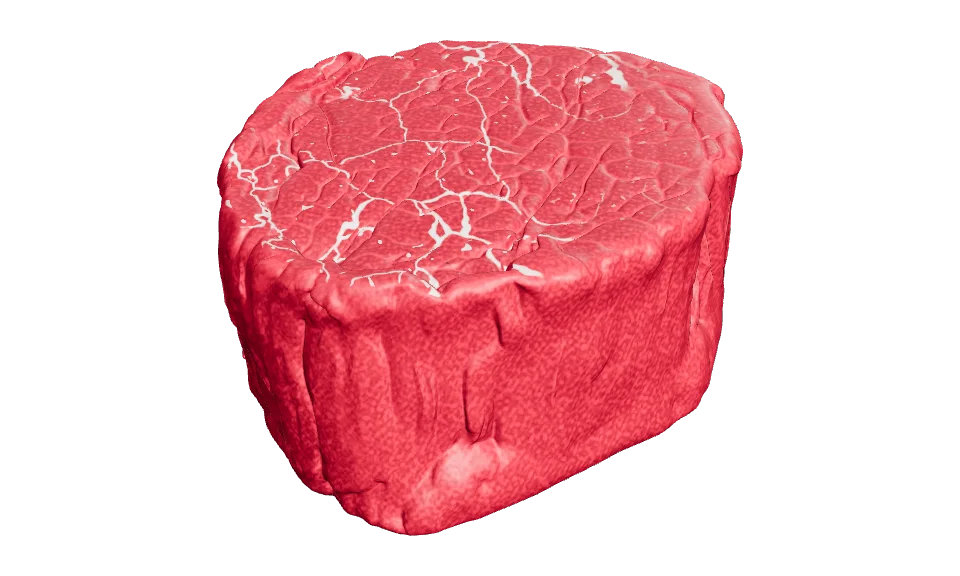 Tenderloin
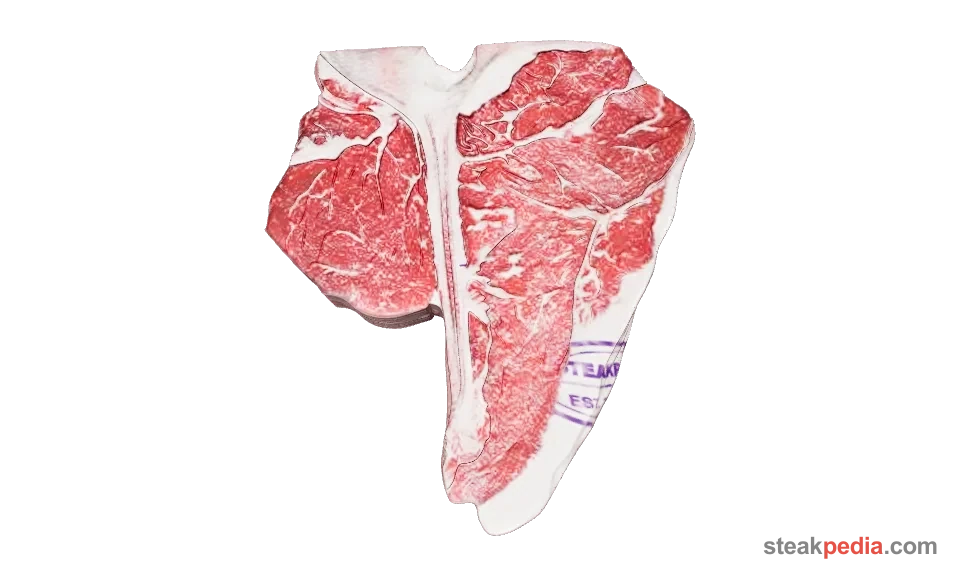 T-bone
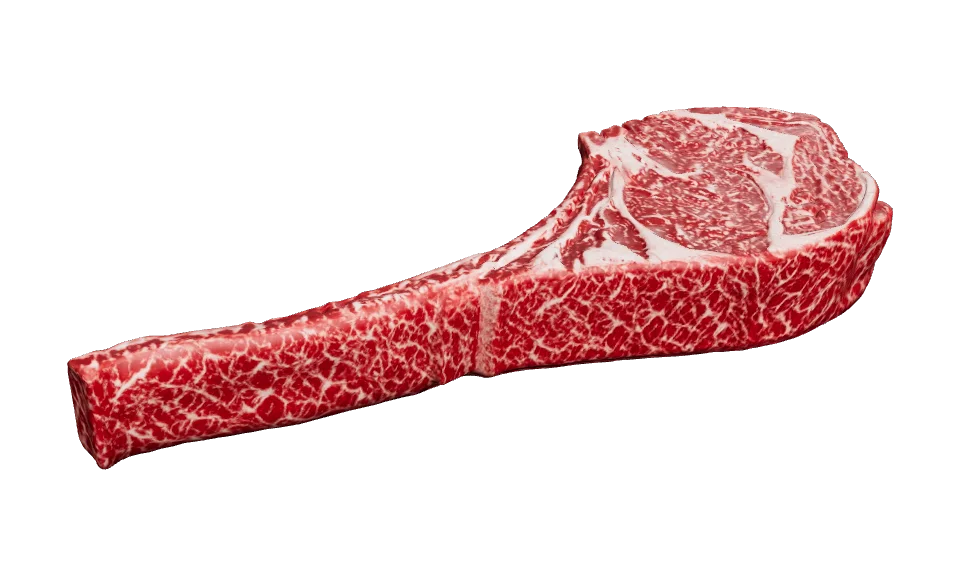 Tomahawk
 New York
 Madrid
 Sydney
 Hanoi
 Tokyo
 Montevideo
 Prime rib
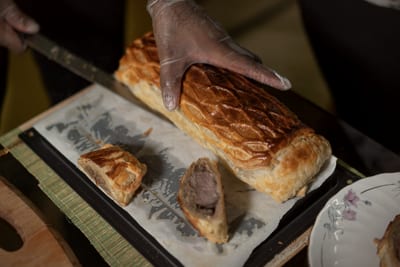 Beef Wellington
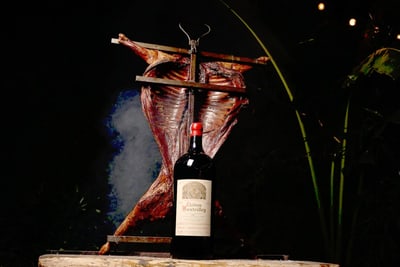 Asado
 Chuletón
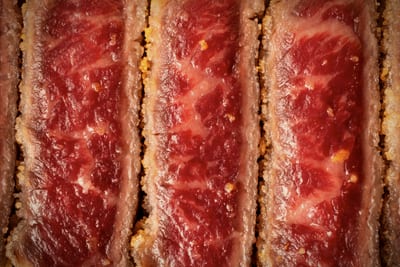 Gyukatsu
 Wagyu
 Angus
 Hereford
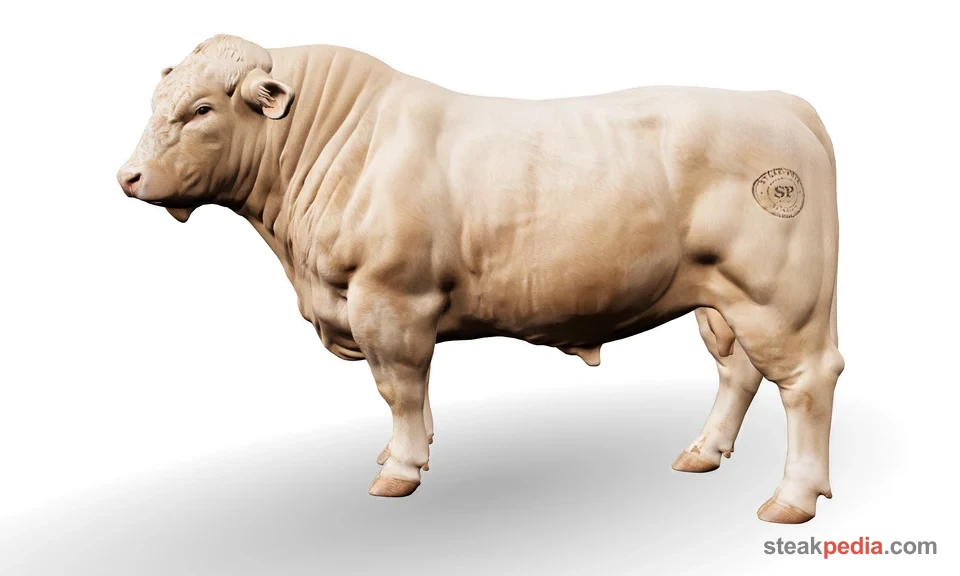 Charolais
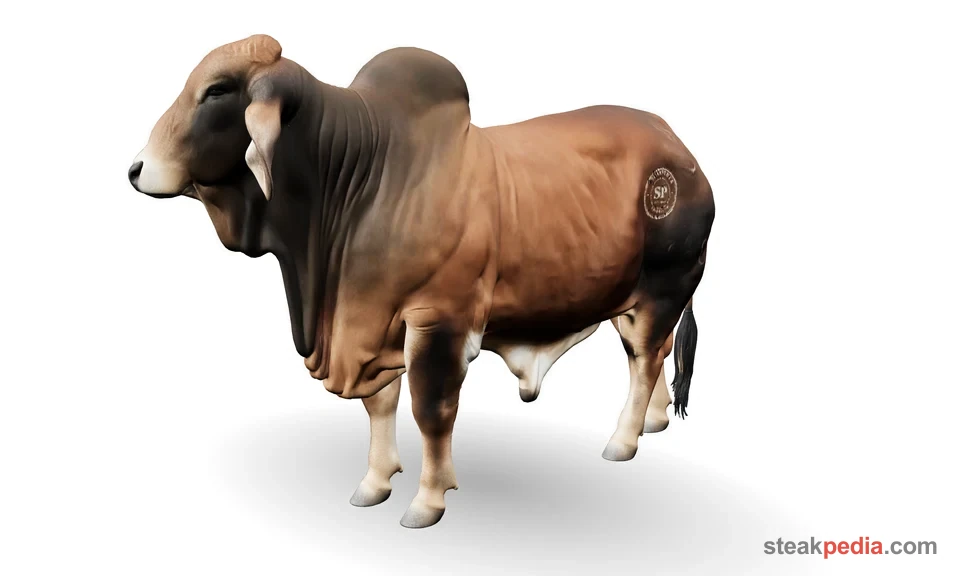 Brahman

News · Producers
Australia’s Feedlots Set a Record, but Ended the Quarter Less Full
Australia had 1,677,577 cattle in feedlots at the end of September, the fourth quarterly record in a row, the industry’s survey reported on Nov. 19, 2026. In those three months feedlots added more than twice as many places as cattle, so the pens ended slightly less full than in June.
Report · Australia
At a glance
- Cattle on feed
- 1,677,577 head, a record (end of September 2026)
- Capacity
- 1,834,033 head, a record
- Occupancy
- 91.5%, against 92.5% in June (June is our calculation)
- Turnoff in the quarter
- 1,026,366 head
- Source
- ALFA and Meat & Livestock Australia feedlot survey, released Nov. 19, 2026
More new pen space than new cattle
The record is the release’s headline. This report looks at two figures behind it. In the quarter, feedlots built faster than they filled. And 15.7% of the cattle that left had been fed 200 days or more, up from 12.6% a year earlier. Days on feed is a number some menus and labels print.
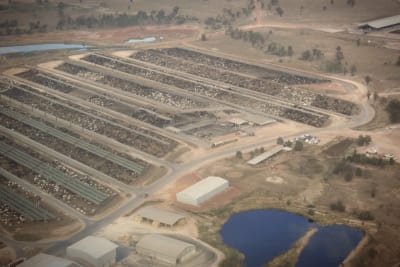
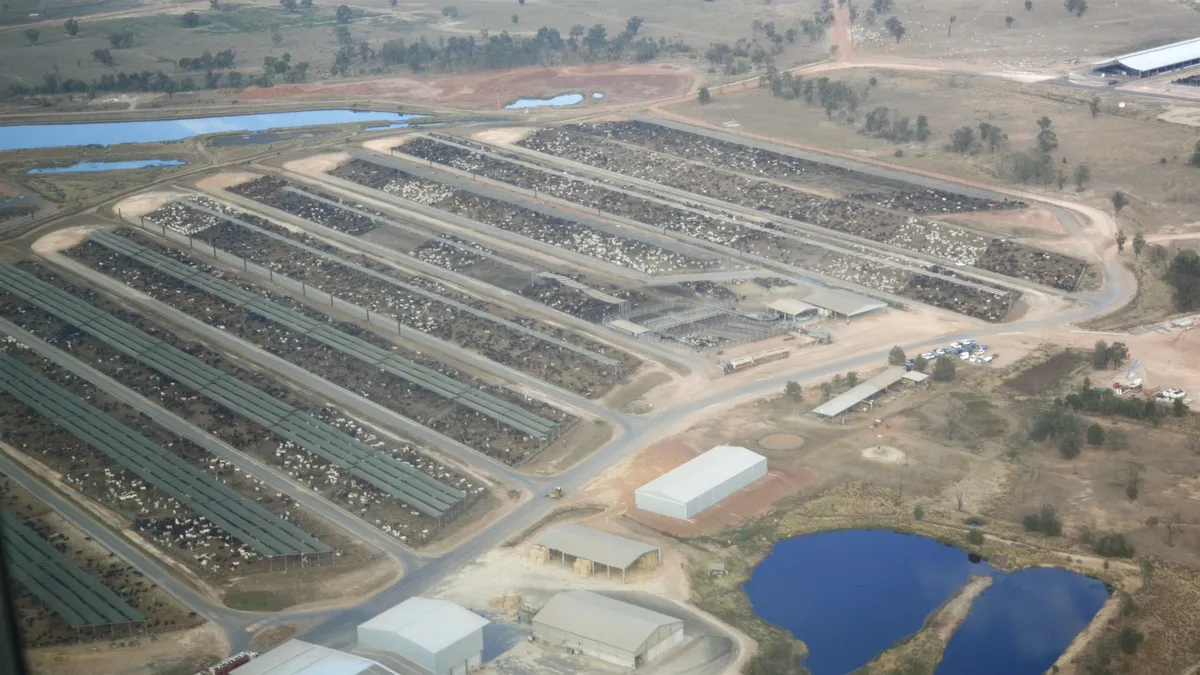 A Stanbroke feedlot from the air on Aug. 5, 2026, during the quarter the survey covers. Photo: Emilio Fusé.
The count comes from the quarterly feedlot survey by the Australian Lot Feeders’ Association (ALFA) and Meat & Livestock Australia, for the three months to September 2026. It found 17,064 more cattle on feed than in June and 10.5% more than a year earlier. Capacity, the number of cattle the country’s feedlots can hold, also set a record: 1,834,033 head, after growing by 39,227. New South Wales added 24,290 of those places.
Steakpedia’s arithmetic on those figures: feedlots added 2.3 places for every animal they added. Occupancy slipped from 92.5% in June to 91.5%, and unfilled places rose from about 134,000 to about 156,000. The release reports the one-point fall and notes four straight quarters above 91%.
Over 12 months the order reverses: cattle on feed rose 10.5%, while capacity grew by about 85,000 head, or 5%, according to Beef Central, a trade publication. ALFA’s president, Grant Garey, put the new capacity down to “strong investment in feedlot expansions.”
Queensland holds most of the cattle: 974,000 head on feed, by Beef Central’s count.
What left the pens, and after how long
The survey’s other count is turnoff, the trade’s word for cattle sold or shipped out of a feedlot: 1,026,366 head in the quarter, the third in a row above one million. That is 2.3% below June and 6.6% above the 962,436 of a year earlier.
The survey sorts those cattle, the ones that left, not the ones still in the pens, by days on feed. Those fed 100 to 199 days were 72.8%, or 747,500 head, the largest share since the series began in 2015. Those fed 200 days or more were 15.7%, up from 12.6% a year earlier; those fed fewer than 100 days, 11.5%, a record low. By our estimate from those rounded shares, the 200-day-plus group grew from about 121,000 head to about 161,000.
From 100 days to 400: two producers’ programs
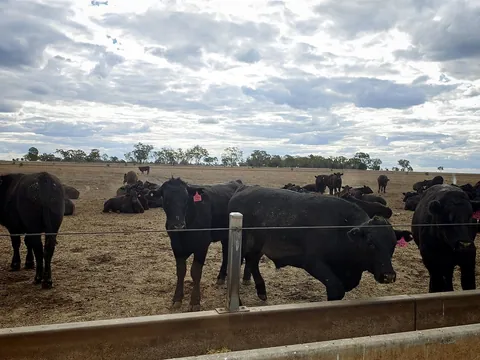
Steakpedia’s editor visited three Australian feedlots in August 2026, inside the quarter the survey covers. At Stanbroke’s Bottle Tree, in Queensland, he walked through covered pens of black cattle; at its Rangers Valley, in New South Wales, the pens run in long rows. A table from Stanbroke’s June 2026 presentation lists its Grain Fed and Heritage Wagyu categories at 100 days on feed, Angus at 150, Black Onyx at 230, Wagyu at 320 and Pure Wagyu at 400. At Stockyard’s Kerwee feedlot, on Queensland’s Darling Downs, the pens sit under shade sails; the company presented 200 days for its Angus label and 400 for its four Wagyu labels.
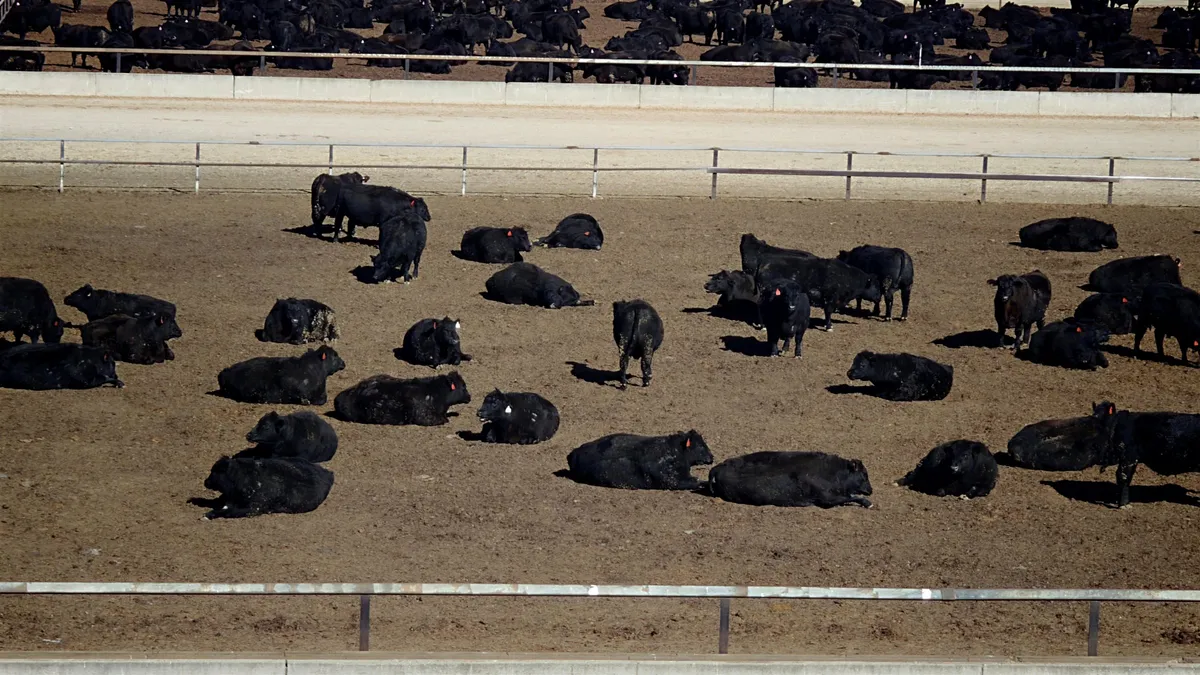 Cattle resting in a pen at Stanbroke’s Rangers Valley, New South Wales, Aug. 5, 2026. Photo: Emilio Fusé.
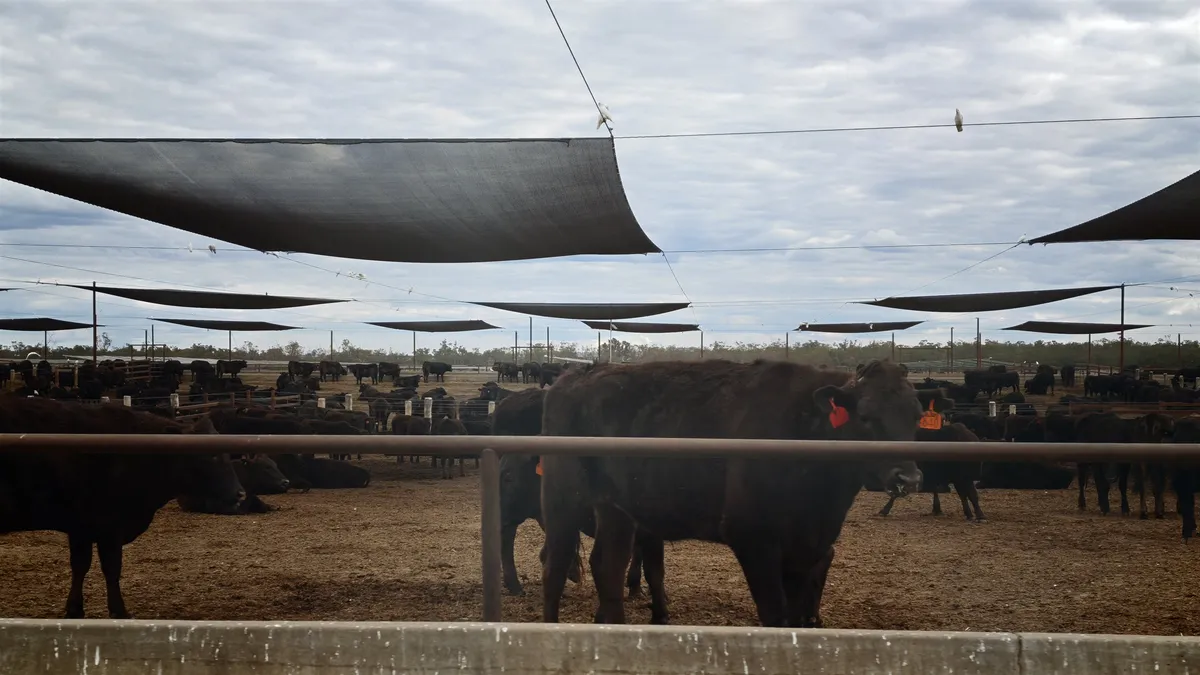 Shade sails over the pens at Stockyard’s Kerwee, Queensland, Aug. 3, 2026. Photo: Emilio Fusé.
Against the survey’s bands, the 100- and 150-day categories would fall in the group that made up nearly three-quarters of turnoff; everything from 200 days up, in the 15.7%. The release names no brands: the comparison is ours, and the days are the producers’ figures.
What it means at the table
Garey reads the longer programs as supply chains and brand owners putting more value on consistency, in specification and in eating quality. Neither the release nor Garey mentions marbling. The link to the plate is ours: marbling, the fat inside the muscle, is laid down late, so a longer program gives it more time. Days alone do not guarantee it. Genetics and the individual animal decide how much a carcass carries, as we wrote in the Kerwee report.
Days on feed, where a menu or label prints them, describe a program, not a grade (see grading systems). The release gives no prices.
This story was compiled from the public release by ALFA and Meat & Livestock Australia and from Beef Central’s report; Steakpedia interviewed no one for it. The August 2026 visits to Stanbroke and Stockyard were made at each host’s invitation; costs were shared between Steakpedia and the host. No one named here paid for or reviewed this story. To report an error, see the corrections page.
Keep reading
 Production · The final monthsGrass-fed vs grain-fed beefPasture vs feedlot beef: flavor, fat, days on grain, and what the science does and doesn’t say.
 Standards · USDA, A5, MSA, EUROPBeef grading systemsUSDA, A5, MSA stars, Korea’s 1++ and EUROP side by side: what each grade measures and what it doesn’t.
 Breed · Scotland, black or redAngusThe Scottish breed behind much of the world’s steak: why it marbles, black and red, and what “Certified Angus” means.
 News · ReportBasque grill Asador Etxebarri tops The 50 Best Restaurants 2026A Basque grill that cooks over wood embers is No. 1 on The 50 Best 2026. How it cooks, and how to book.
- News · Report · Field visits 2026Thai Wagyu on the plate: flap and striploin from Nguadoi, Chiang MaiFlap and striploin from a Thai Wagyu farm near Chiang Mai: the crosses, the fattening the farm reports, and where to try it.
 News · Report · Field visits 2026Visiting Stanbroke, Gold at the World Steak Challenge in Three CutsGold in three cuts, two feedlots in a day and eight beef categories: a visit to Stanbroke.
Frequently asked questions
How many cattle are on feed in Australia?
1,677,577 head at the end of the September 2026 quarter, a record, according to the survey by the Australian Lot Feeders’ Association and Meat & Livestock Australia.
What is Australia’s feedlot capacity, and how full is it?
A record 1,834,033 head at the end of September 2026, 91.5% full, one point less than in June.
How long are Australian feedlot cattle fed?
Of the cattle that left feedlots in the September 2026 quarter, 72.8% had been fed 100 to 199 days, 15.7% for 200 days or more and 11.5% for fewer than 100 days.
What does turnoff mean in a feedlot?
The trade’s word for cattle sold or shipped out of a feedlot in a given period. It was 1,026,366 head in the September 2026 quarter.
Sources
4
- Australian Lot Feeders’ Association and Meat & Livestock Australia. Australian feedlot sector continues to break capacity and cattle on feed records, Nov. 19, 2026 (quarterly feedlot survey, September quarter 2026). Read Nov. 22, 2026. www.feedlots.com.au/post/australian-feedlot-sector-continues-to-break-capacity-and-cattle-on-feed-records
- Beef Central (Jon Condon). Cattle numbers on feed hit another record, reaching 1.677m head, Nov. 19, 2026 (Queensland 974,000 head on feed; national capacity up 85,000 head, or 5%, on the September quarter of 2025). Read Nov. 22, 2026. www.beefcentral.com/lotfeeding/cattle-numbers-on-feed-hit-another-record-reaching-1-677m-head
- Steakpedia. Visiting Stanbroke, Gold at the World Steak Challenge in Three Cuts, Nov. 17, 2026 (visit of Aug. 5–6, 2026, at the host’s invitation with costs shared; days on feed from Stanbroke’s June 2026 presentation). steakpedia.com/news/stanbroke-feedlots-queensland-nsw
- Steakpedia. Visiting Stockyard, Australia’s Most Awarded Beef Brand, Nov. 17, 2026 (visit of Aug. 3–4, 2026, at the host’s invitation with costs shared; days on feed as presented by Stockyard on Aug. 3). steakpedia.com/news/stockyard-kerwee-feedlot-queensland