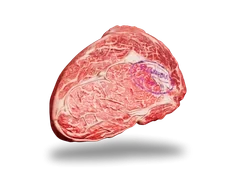
 Ribeye
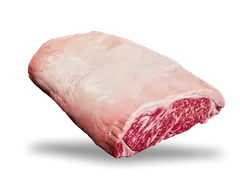 Striploin
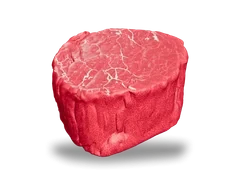 Tenderloin
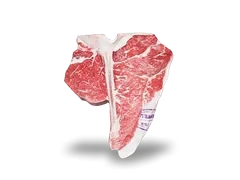 T-bone
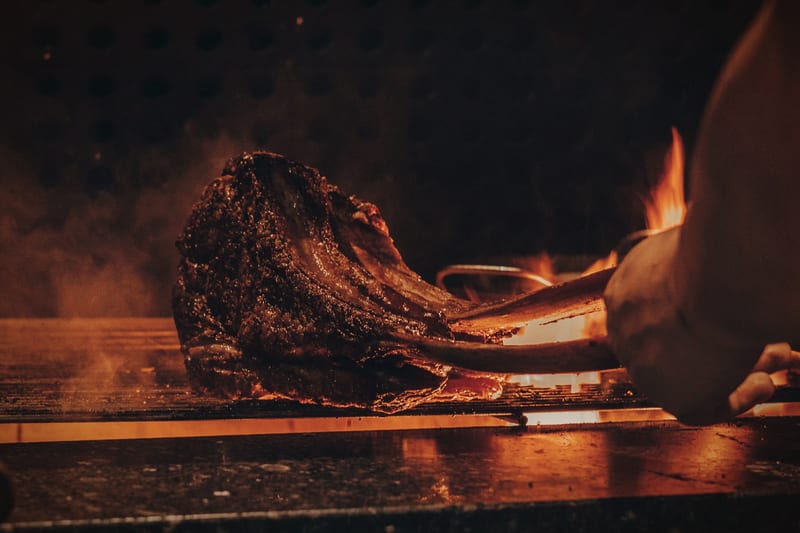
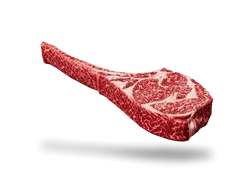 Tomahawk
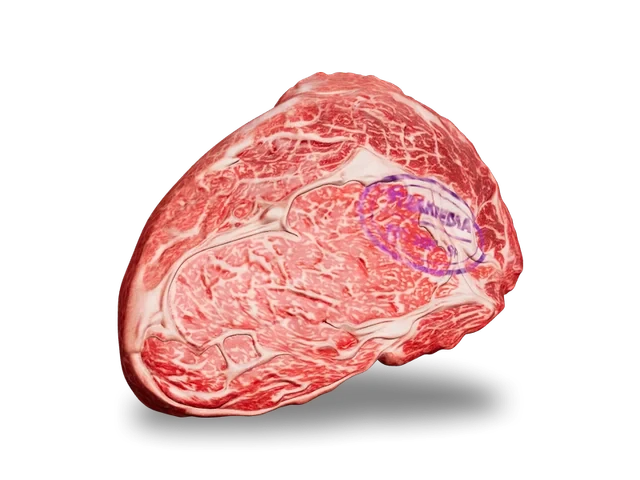
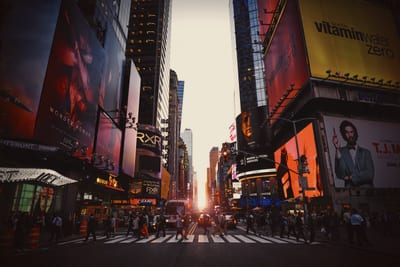 New York
 Madrid
 Sydney
 Hanoi
 Tokyo
 Montevideo
 Prime rib
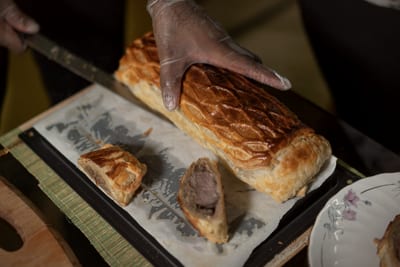 Beef Wellington
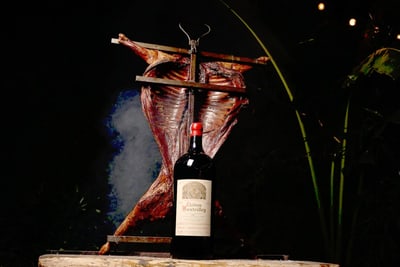 Asado
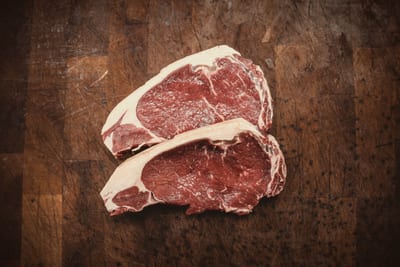 Chuletón
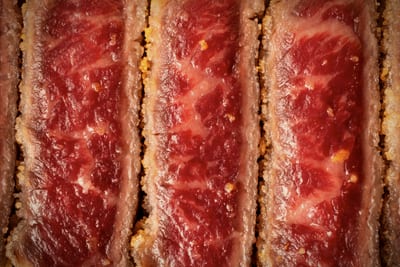 Gyukatsu
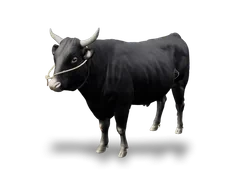 Wagyu
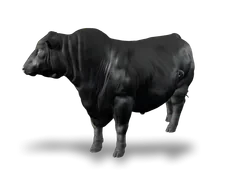 Angus
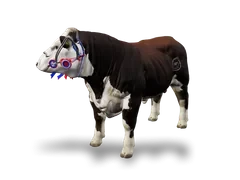 Hereford
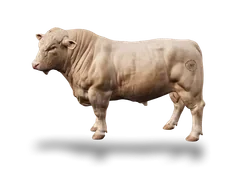 Charolais
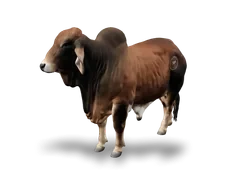 Brahman
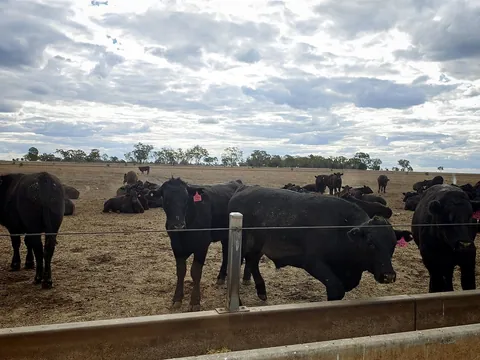
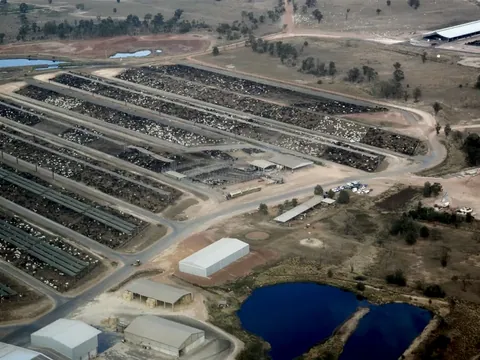
News · Producers
Australian Cattle Producers Back A$1 Levy Rise With 54% of Votes
A proposal to raise the levy Australian grassfed cattle producers pay at each sale, from A$5 to A$6 a head, won 54.13% of votes, with 45.87% against, in a result announced Nov. 24 at Meat & Livestock Australia’s annual meeting, Queensland Country Life reported. The rate has not changed since 2006. The rise is tied to reforms due by July 1, 2027, and the minister sets the levy.
Report · Australia
At a glance
- Result
- 54.13% in favor, 45.87% against, announced Nov. 24, 2026
- The levy
- A$5 a head today, unchanged since 2006
- The rise
- To A$6 by July 1, 2028, only if the reforms are in place by July 1, 2027
- Marketing
- A$3.66 today, A$4.35 proposed
- Research and development
- A$0.92 today, A$1.12 proposed
- National Residue Survey
- A$0.29 today, A$0.40 proposed
- Animal Health Australia
- A$0.13, unchanged
- Sources
- Queensland Country Life (result); Beef Central (2006 rate); MLA, notice of the 2026 annual general meeting (split and proposal)
What the levy is
The levy is the money Australia’s cattle industry raises from itself, paid by producers at each sale. Most of it pays for marketing Australian beef; the rest funds research, residue testing and Animal Health Australia. “Grassfed” here names a class of levy payer: Cattle Australia’s table lists lot-fed, or feedlot, cattle separately. It is not the grass-fed claim on a label.
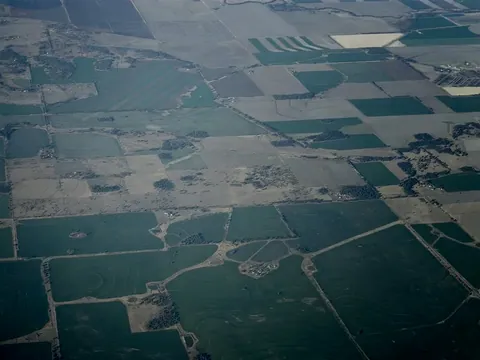
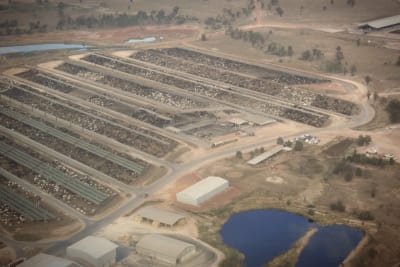
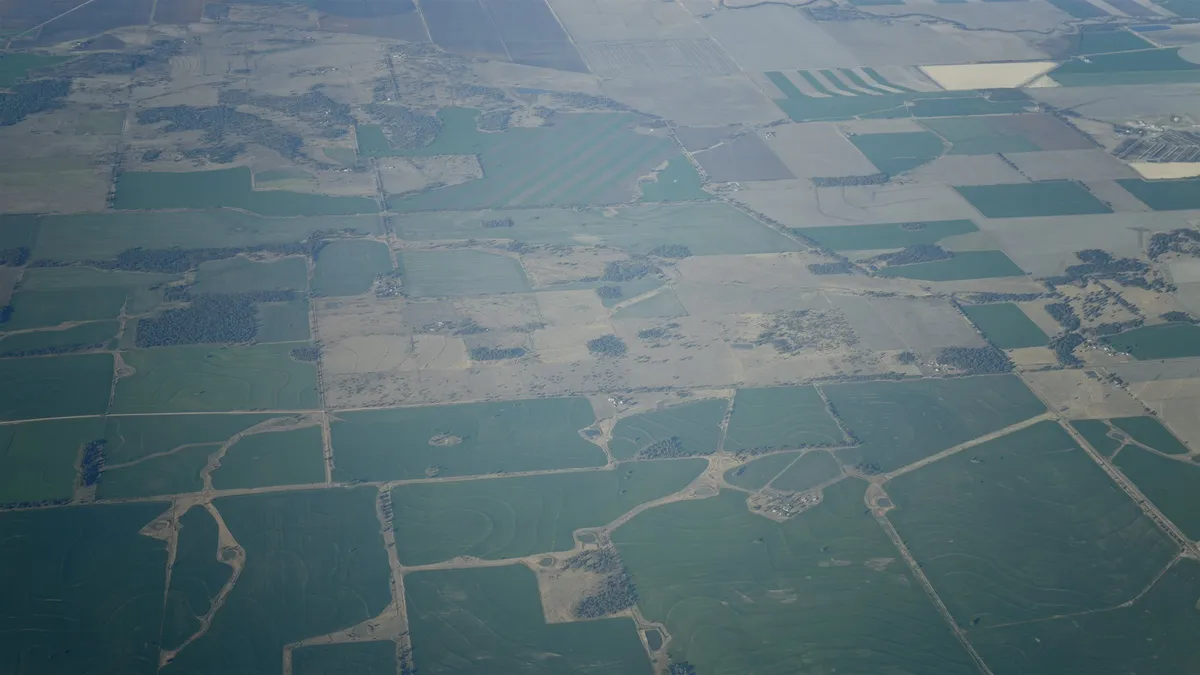 Farmland in Queensland from the air, August 2026. Photo: Emilio Fusé.
What was on the ballot
Anyone who paid the grassfed levy in the past financial year could vote. Those who are not members of MLA, the industry’s marketing and research body, had to vote online by Nov. 22; members could vote at its annual meeting in Townsville, Queensland, on Nov. 24, or by proxy beforehand, according to MLA’s voting guide. MLA, which receives levy money, does not vote on levy resolutions. It bases members’ votes on their recorded levy transactions, so the result is a share of votes, not of producers.
The resolution came from Cattle Australia, the body that represents grassfed producers on the levy. It asked for reforms to be made together, with more focus on the accountability of levy spending, biosecurity, the National Residue Survey, industry representation and dedicated funding for Integrity Systems, whose programs include the National Livestock Identification System. Beef Central, a trade publication, reported that Integrity Systems would become a stand-alone entity, separate from MLA.
Only if the reforms are introduced in full by July 1, 2027, would the levy rise to A$6, by July 1, 2028, according to the resolution in MLA’s notice of meeting.
Where the money goes
Agents, processors or buyers deduct the levy at each sale and pass it, through the federal agriculture department, to three bodies: MLA, Animal Health Australia and the National Residue Survey. Of today’s A$5, marketing gets A$3.66, research and development A$0.92, the National Residue Survey A$0.29 and Animal Health Australia A$0.13.
Under the resolution, marketing would get A$4.35, research A$1.12 and residue testing A$0.40, with Animal Health Australia unchanged: A$6 in all. Of the extra dollar, A$0.69 goes to marketing, A$0.20 to research and A$0.11 to residue testing, according to MLA’s notice. The review also proposes at least A$0.84 a head for Integrity Systems and A$0.60 for representation, from both research and non-research funds, Beef Central reported.
Why producers were asked
Beef Central, a trade publication, reported on the review’s final report: the rate has not changed since 2006, and inflation has cut its real value by around 42%. On that figure, A$6 would buy about 70% of what A$5 bought in 2006, by Steakpedia’s arithmetic. Cattle Australia says more than 1,000 producers took part, through surveys, written submissions and 34 regional meetings held across the country between July and August.
Views split. The report describes producers who want a much larger rise to restore the levy’s buying power and others who question its value and want it cut. The committee considered an inflation-linked increase and rejected it because a clear benefit to levy payers was difficult to establish. In September, before the resolution was released, NSW Farmers cattle committee chair Tony Hegarty told Beef Central the group’s policy was no increase in the A$5 rate without a detailed business case. “There needs to be a really good case to present if you even consider a change there,” he said. State farming organizations were split on the rise, Queensland Country Life reported on Nov. 19.
On the other side, Julie McDonald, a Cloncurry producer on the review committee who also chairs the committee that assesses candidates for MLA’s board, said in a Cattle Australia release urging a yes vote: “I’m voting because we haven’t had a say in our levy for 20 years.” In 2009, producers did vote on the levy: at MLA’s meeting that year they kept it at A$5, with 70.7% of grassfed producers’ votes in favor, MLA’s records show.
What happens next
The vote does not raise the levy by itself. Under Australia’s levy laws the minister determines the amount and must take Cattle Australia’s recommendation into consideration, according to MLA’s notice. The reforms have to be in place by July 1, 2027, for the rise to follow by July 1, 2028. A separate vote on raising the goat levy to 90 cents a head failed the same day, with 38.25% in favor, Queensland Country Life reported. Its report gives one figure for cattle and does not separate MLA members from other levy payers.
More from Steakpedia: Australia’s feedlots set a record · what grass-fed means on a label.
This report was compiled from public documents by Cattle Australia, Meat & Livestock Australia and Integrity Systems and from reporting by Queensland Country Life and Beef Central; Steakpedia interviewed no one for it. Steakpedia’s founding company, S&E Ventures, is based in Brisbane, Australia; Steakpedia does not pay the levy. To report an error, see the corrections page.
Keep reading
 Production · The final monthsGrass-fed vs grain-fed beefPasture vs feedlot beef: flavor, fat, days on grain, and what the science does and doesn’t say.
- News · ReportAustralia’s Feedlots Set a Record, but Ended the Quarter Less FullA record 1.68 million cattle on feed, pens 91.5% full, and what 100, 200 and 400 days on feed mean for the steak.
 News · ReportBasque grill Asador Etxebarri tops The 50 Best Restaurants 2026A Basque grill that cooks over wood embers is No. 1 on The 50 Best 2026. How it cooks, and how to book.
- News · Report · Field visits 2026Thai Wagyu on the plate: flap and striploin from Nguadoi, Chiang MaiFlap and striploin from a Thai Wagyu farm near Chiang Mai: the crosses, the fattening the farm reports, and where to try it.
 News · Report · Field visits 2026Visiting Stanbroke, Gold at the World Steak Challenge in Three CutsGold in three cuts, two feedlots in a day and eight beef categories: a visit to Stanbroke.
- News · AnnouncementSteakpedia opens News: every story says how we know itSteakpedia opens News: three visits and one desk report, each labeled by how we know it.
Frequently asked questions
What is Australia’s grassfed cattle levy?
A charge of A$5 a head that producers pay when grassfed cattle are sold; bobby calves pay less. It funds marketing, research and development, the National Residue Survey and Animal Health Australia.
Is Australia’s cattle levy going up?
Levy payers backed a rise from A$5 to A$6 a head on Nov. 24, 2026. It depends on reforms being in place by July 1, 2027, and on the federal minister; it would apply by July 1, 2028.
Sources
11
- Cattle Australia. The Cattle Transaction Levy Hub (resolution, current split of the A$5 levy, who can vote). Read Nov. 23, 2026. cattleaustralia.com.au/the-cattle-transaction-levy
- Cattle Australia. Bringing producers back to the centre of their levy: one week left to vote, Nov. 17, 2026. Read Nov. 23, 2026. cattleaustralia.com.au/bringing-producers-back-to-the-centre-of-their-levy-one-week-left-to-vote
- Beef Central. Cattle levy review recommends $1/head increase by 2028, Oct. 2026 (proposed minimums, 42% fall in real value, inflation-linked rise rejected). Read Nov. 23, 2026. www.beefcentral.com/news/cattle-levy-review-recommends-1-head-increase-by-2028
- Beef Central (James Nason). SFOs say business case needed before cattle levy overhaul, Sept. 10, 2026. Read Nov. 23, 2026. www.beefcentral.com/news/sfos-say-business-case-needed-before-cattle-levy-overhaul
- Integrity Systems. Home page (LPA, NLIS and NVD programs). Read Nov. 23, 2026. www.integritysystems.com.au
- Meat & Livestock Australia. Notice of 2026 Annual General Meeting, Oct. 9, 2026 (item 6: resolution and split of the levy; role of the Minister). Read Nov. 24, 2026. www.mla.com.au/globalassets/mla-corporate/about-mla/documents/2026-notice-of-meeting.pdf
- Meat & Livestock Australia. Making your levy vote count (who votes, when and how). Read Nov. 24, 2026. www.mla.com.au/globalassets/mla-corporate/about-mla/documents/mla-agm-making-your-levy-vote-count-explainer.pdf
- Meat & Livestock Australia. Annual General Meeting (how voting entitlements are calculated). Read Nov. 24, 2026. www.mla.com.au/about-mla/how-we-are-governed/Planning-reporting/annual-general-meeting
- Meat & Livestock Australia. Beef levy review 2009 (result of the 2009 vote). Read Nov. 24, 2026. www.mla.com.au/about-mla/how-we-are-funded/beef-levy-review-2009
- Queensland Country Life (Andrew Norris, Judith Maizey). Breaking: proposed grass-fed levy increase vote resolution vote result, Nov. 24, 2026. Read Nov. 24, 2026. www.queenslandcountrylife.com.au/story/9396355/cattle-australias-grass-fed-cattle-levy-proposal-resolution-vote
- Queensland Country Life (Andrew Norris). Where your state sits: who’s on board with the cattle levy increase and why, Nov. 19, 2026 (opening line; the rest is behind a paywall). Read Nov. 24, 2026. www.queenslandcountrylife.com.au/story/9393282/state-farming-organistions-share-positions-on-cattle-levy
Pass it on