Steakhouses›Steakhouses in Osaka›Shokudoen (Soemoncho Honten)
Yakiniku · Soemoncho · Osaka
Shokudoen (Soemoncho Honten)
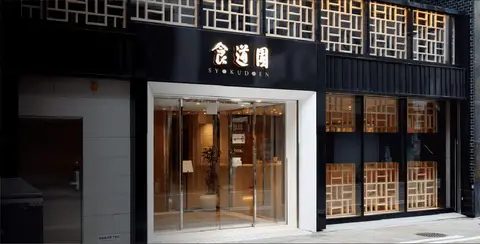
Shokudoen opened in Sennichimae in 1946 as a restaurant of Pyongyang cold noodles and yakiniku; its main house has stood in Soemoncho since 1968.
Store01 thumbnail img 01
OpenNot yet visited · facts from 6 sourcesNo paid rankings
Why go
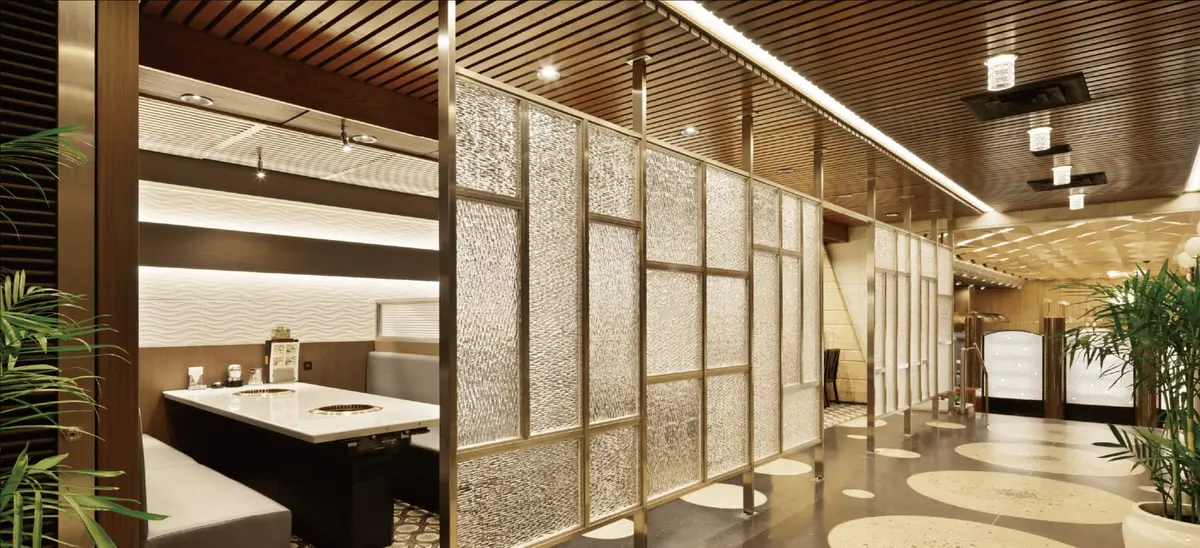
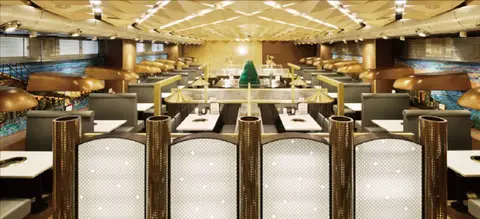
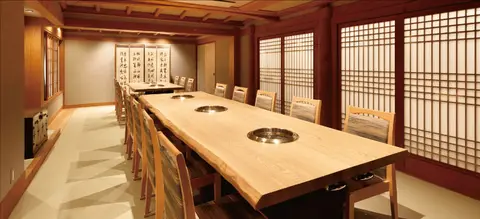
In 1946 Shokudoen began serving yakiniku in Osaka, and the city's tourism bureau now writes that, along with Meigetsukan in Tokyo, it is known as the originator of yakiniku; the house itself claims to have been the first in Japan to season each cut differently and the birthplace of the dipping sauce. The Soemoncho main house, its home since 1968, seats 500, and its building was chosen for Osaka's Living Architecture Museum festival in 2014.
By Hugo Ledger · Steakpedia editorial voice · Who writes
Where
Not published: aging, fire, grade, price.
01What to order: the Shokudoen (Soemoncho Honten) menu
- Hana-ami karubiSelected bone-in short rib scored by hand in a mesh pattern to release the fat; the house says it registered the dish, a first in the yakiniku trade. It appears in the eight-cut course.
- Yakiniku coursesSeven cuts with Kuroge Wagyu and domestic fillet ¥7,000; eight cuts with special harami and hana-ami karubi ¥9,000; nine cuts with tongue and chateaubriand ¥15,000. Book them the day before.
- Goku-tan and chateaubriandThe top course, for two or more, ¥20,000 per person.
- Pyongyang reimenThe dish the house opened with: noodles made to order from buckwheat flour kneaded by hand, in a traditional broth.
From this menu, on Steakpedia
 Breed groupWagyuThe four Japanese breeds, BMS 1–12, what A5 really means, and how Kobe and Australian Wagyu fit in.
 CutShort ribsThe lower ends of the ribs: asado de tira across the bones, English cut between them, galbi in thin strips.
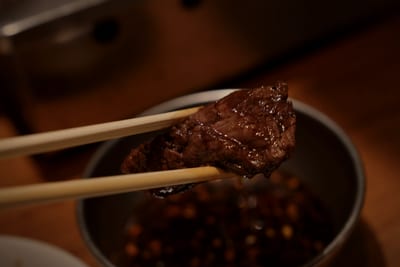 Main courseYakinikuBite-sized beef grilled at the table, seconds a piece: karubi, harami, rōsu, tongue, tare or salt, and its Korean roots.
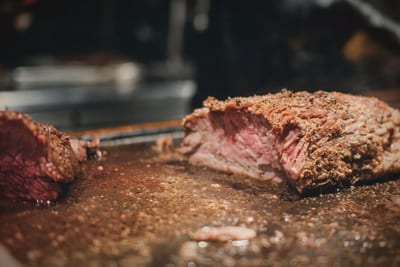 Main courseChateaubriandThe thick center of the filet for two: seared, roasted to 50–52 °C, sliced at the table, with béarnaise or its own sauce.
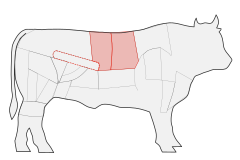 CutBeef tongueA dense muscle under a rough skin: simmered and peeled for tacos and vinagreta, or grilled thin as gyūtan.
From this menu, on Steakpedia
- Breed groupWagyuThe four Japanese breeds, BMS 1–12, what A5 really means, and how Kobe and Australian Wagyu fit in.
- CutShort ribsThe lower ends of the ribs: asado de tira across the bones, English cut between them, galbi in thin strips.
- Main courseYakinikuBite-sized beef grilled at the table, seconds a piece: karubi, harami, rōsu, tongue, tare or salt, and its Korean roots.
- Main courseChateaubriandThe thick center of the filet for two: seared, roasted to 50–52 °C, sliced at the table, with béarnaise or its own sauce.
- CutBeef tongueA dense muscle under a rough skin: simmered and peeled for tacos and vinagreta, or grilled thin as gyūtan.
02The beef
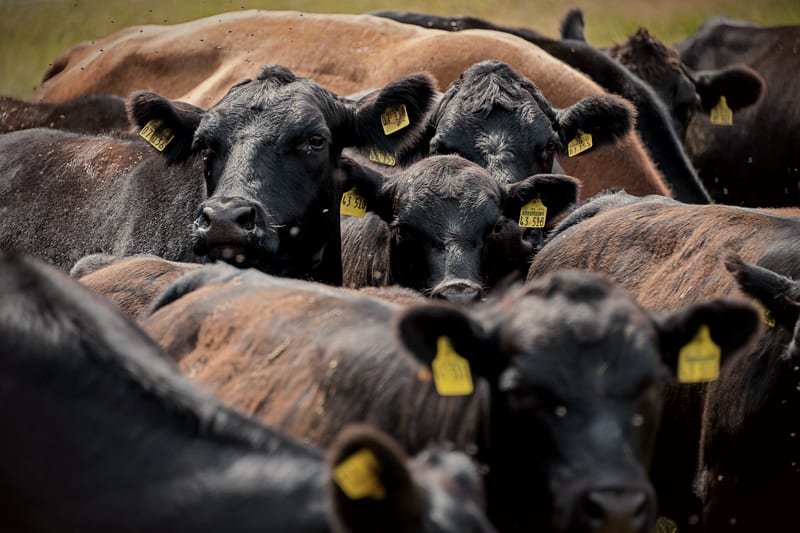
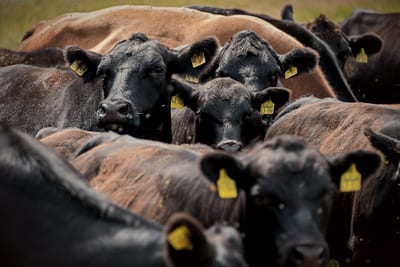
Shokudoen says it has served Kuroge Wagyu, Japanese Black beef, since its founding, and seasons each cut to suit it: loin is seared over strong heat, harami is lighter. Platters run from three cuts of Japanese Black beef at ¥4,780 to five at ¥7,980, with a horumon platter at ¥1,980. The menu does not give grades or farms, and notes that not every branch serves every dish.
03The fire
Guests grill at the table. In 1972 Shokudoen introduced smokeless roasters; the house says this kept the smell out of hair and clothes, and the tourism bureau credits smokeless roasters with turning yakiniku into a family meal. The sources do not say what fuels them.
04The story
The founder opened the first Shokudoen in Sennichimae in 1946; the company was incorporated in 1952, moved its main house to Soemoncho in 1968 and opened in Kitashinchi in 1969. In 1970 it took part in Expo '70 in Osaka and was among the first restaurants to advertise on television. The founder received a Korean cultural medal in 1979. The chain still opens branches; the most recent listed is Minoh, in 2024.
05The practical
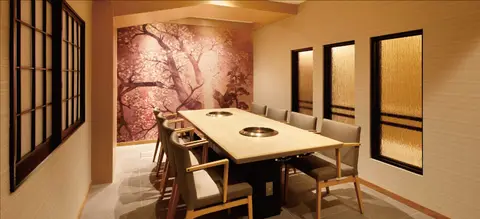
The main house is at 5-13 Soemoncho, Chuo-ku. It is open 11:30–23:00, with lunch until 17:00 and last orders at 22:10; closing days are irregular. Private rooms range up to 120 seats, including a VIP room themed on Korea's Joseon dynasty, and cost ¥500 per person; Savor Japan lists sunken horigotatsu seating for up to 80, an English menu and no smoking. Book online or on 06-6211-1455; there is no parking.
What is on the Shokudoen menu?
Kuroge Wagyu yakiniku: courses of seven, eight or nine cuts, the goku-tan and chateaubriand course, hana-ami karubi, horumon, sukiyaki and shabu-shabu courses, and Pyongyang reimen.
How much is yakiniku at Shokudoen?
Courses cost ¥7,000, ¥9,000, ¥15,000 and ¥20,000 per person, and a five-cut Japanese Black beef platter ¥7,980 (menu, November 2026).
When did Shokudoen open?
In 1946, in Sennichimae; the main house moved to Soemoncho in 1968.
Is Shokudoen the first yakiniku restaurant?
The Osaka tourism bureau writes that, along with Meigetsukan in Tokyo, Shokudoen is known as the originator of yakiniku.
06In Osaka’s selections
07Sources
syokudoen.co.jp · official site · syokudoen.co.jp · official site · osaka-info.jp · savorjapan.com · syokudoen.co.jp · official site · syokudoen.co.jp · official site
Last verified Nov. 13, 2026.
Is this your steakhouse?
Correct a detail · Add your website · Report a closure · Get the free seal