Stew · Texas, the bowl of red
Chili con carne
Chili con carne is beef simmered in a sauce of dried red chiles, garlic and cumin, born in 19th-century San Antonio, Texas; the Texas "bowl of red" has no beans and has been the state's official dish since 1977. Chuck is the cut: its fat and collagen keep it tender through hours of simmering.
At a glance
- Origin
- San Antonio, Texas, 19th century
- Meat
- Beef chuck, cubed or coarsely ground
- Chiles
- Dried ancho, guajillo, chile de árbol
- Status
- Official state dish of Texas since 1977
- Time
- 45 min active, about 3½ h total; serves 6
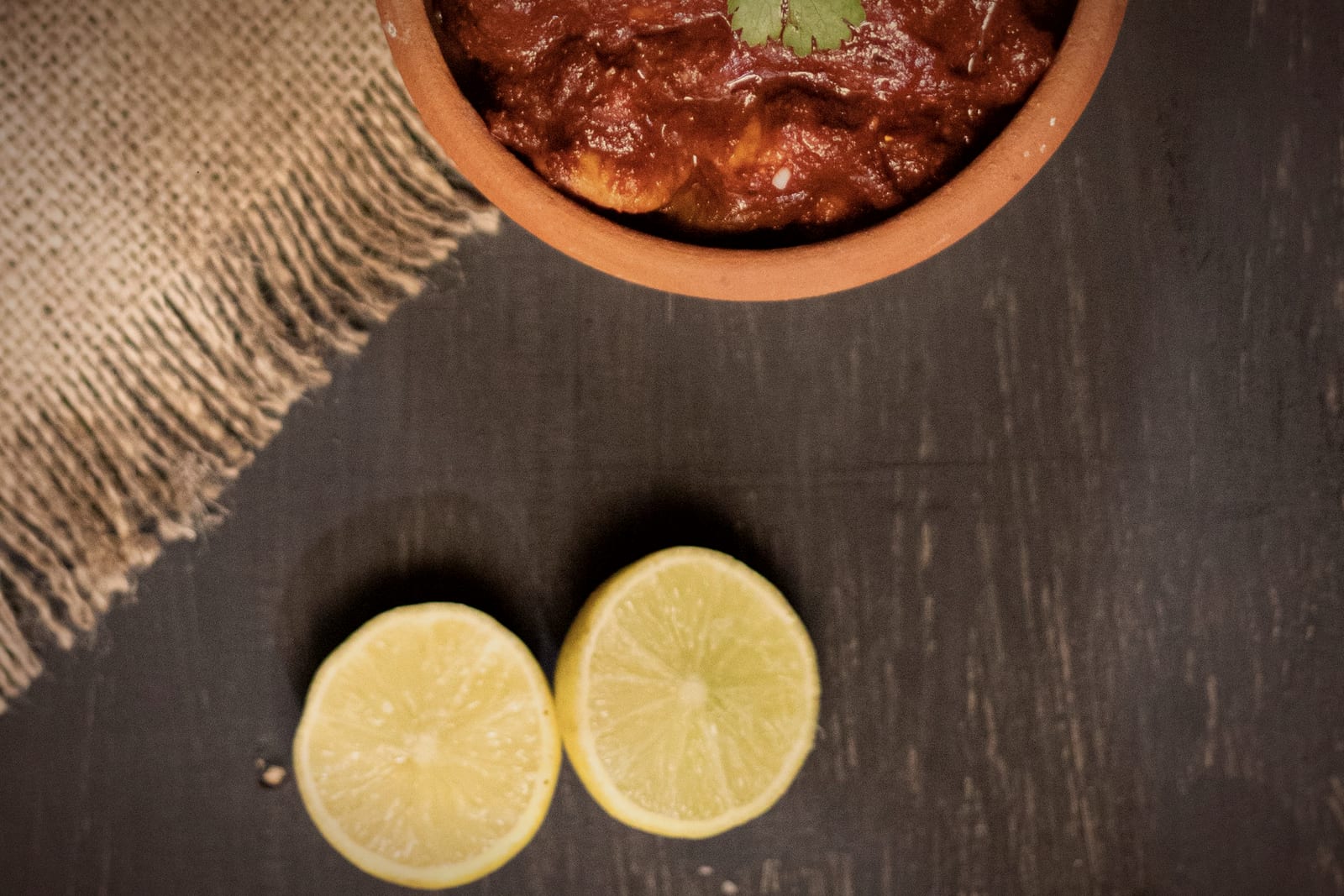
Beef and chiles, brick-red
Chili con carne (Spanish for "chile peppers with meat") is beef cooked slowly in a thick, brick-red sauce made from dried chiles, seasoned with garlic, cumin and oregano. The Texas version, called a "bowl of red", is little more than that: cubed or coarsely ground beef chuck, chiles and spices, sometimes thickened with masa harina, the corn flour used for tortillas. Most chili cooked elsewhere in the United States adds tomatoes, beans and onions in larger amounts.
Despite its Spanish name, it is a dish of Texas, not of Mexico. Mexican cooks use chiles and beef in many stews, such as carne con chile colorado, but chili con carne as a named dish took shape north of the border.
The chili queens of San Antonio
The exact origin of chili con carne is unknown and surrounded by legend, including stories crediting Canary Islanders who settled San Antonio in 1731. What is documented is that from at least the 1870s and 1880s, women known as the chili queens sold bowls of chili from open-air stalls on San Antonio's plazas at night, and travel writers made the dish famous. A "San Antonio Chili Stand" served it at the 1893 World's Columbian Exposition in Chicago. The plaza stalls were closed under city health rules in the late 1930s.
Commercial chili powder, a ground blend of dried chiles, cumin and oregano developed in New Braunfels, Texas, in the 1890s, and canned chili made the dish easy to reproduce across the country. In the 20th century it became a dish of roadside "chili parlors" and of competition: journalist Frank X. Tolbert, author of A Bowl of Red, helped organize the first chili cook-off in Terlingua, Texas, in 1967. In 1977 the Texas Legislature named chili the state's official dish.
Ingredients
| Ingredient | Amount | Note |
|---|---|---|
| Beef chuck | 1.4 kg / 3 lb | in 1.5–2 cm / ¾ in cubes, or coarse "chili grind" |
| Dried ancho chiles | 4, about 50 g / 1¾ oz | stemmed and seeded; sweet, mild |
| Dried guajillo chiles | 4, about 30 g / 1 oz | stemmed and seeded; bright, tangy |
| Chiles de árbol | 2–4 | for heat, to taste |
| Beef suet, lard or oil | 45 g / 3 tbsp | for browning |
| Onion | 1, about 200 g / 7 oz | finely chopped |
| Garlic | 6 cloves, about 20 g / ¾ oz | minced |
| Ground cumin | 1 tbsp / 7 g | freshly toasted if possible |
| Dried Mexican oregano | 2 tsp / 2 g | |
| Beef stock or water | 1 l / 4 cups | |
| Masa harina | 2 tbsp / 15 g | mixed with water, to thicken |
| Salt | about 15 g / 2½ tsp | to taste |
| Cider vinegar | 1 tsp | optional, to finish |
Method
- Toast the dried chiles in a dry pan over medium heat for 20–30 seconds per side, just until fragrant; burnt chiles turn bitter. Cover them with hot water and soak 20–30 minutes.
- Blend the soaked chiles with about 250 ml / 1 cup of their soaking liquid (or stock) to a smooth paste. Strain it if the skins remain coarse.
- Pat the beef dry and salt it. In a heavy pot, heat the fat and brown the beef in batches over high heat, without crowding, so it sears rather than steams. Set aside.
- Lower the heat, cook the onion until soft, then add the garlic, cumin and oregano for about a minute.
- Return the beef with its juices, add the chile paste and the stock, and bring to a simmer. Cover partly and cook gently for 2–3 hours, stirring now and then, until the beef is tender. Add liquid if it becomes too thick.
- Whisk the masa harina with a little water, stir it in and simmer 10–15 minutes more until the sauce coats a spoon. Adjust salt and add the vinegar. Many cooks find chili tastes better reheated the next day.
Beans, the great argument
Beans are the great argument. In Texas tradition, chili means meat and chiles, and the competition rules of the International Chili Society exclude beans and other fillers from its traditional red chili category; elsewhere in the United States, kidney or pinto beans are standard, and many Texans serve beans on the side. Other styles include chili with tomatoes and ground beef, the home style of much of the country; Cincinnati chili, created by Macedonian immigrants in the 1920s, spiced with cinnamon and served over spaghetti; New Mexico's chile verde, made with green chiles and often pork; and chili blanco with white beans and chicken. Chili is also used as a topping: on hot dogs, French fries, or the Frito pie of Texas and New Mexico.
Saltines, raw onion and cornbread
A bowl of red is served hot with saltine crackers or warm tortillas, and often with chopped raw onion, grated cheddar, sour cream or jalapeños at the table. Cornbread is a common side. Slow-smoked brisket trimmings are sometimes added to chili in Texas.
Common mistakes. Relying only on generic chili powder, which gives a flat, dusty flavor compared with whole dried chiles. Burning the chiles while toasting them. Crowding the pot, so the beef boils grey. Using lean cuts, which turn dry and stringy; chuck, with its fat and collagen, stays tender after hours of simmering. Boiling hard instead of simmering. Adding the thickener too early, when it can scorch on the bottom.
Frequently asked questions
Does Texas chili have beans?
Traditional Texas chili, the 'bowl of red', does not; beans are usually served on the side. Chili with beans is standard in much of the rest of the United States.
What is the best meat for chili con carne?
Beef chuck, cut into cubes or coarsely ground. Its fat and connective tissue keep it tender during a long simmer.
Is chili con carne Mexican?
It has a Spanish name and uses Mexican chiles, but it developed in Texas, in 19th-century San Antonio. It is considered a Tex-Mex dish.
Who were the chili queens?
Women who sold chili from open-air stalls on the plazas of San Antonio from the late 19th century until the stalls were closed in the late 1930s.
Sources
4
- McGee, Harold. On Food and Cooking: The Science and Lore of the Kitchen, rev. ed. New York: Scribner, 2004.
- Tolbert, Frank X. A Bowl of Red: The Natural History of Chili con Carne. Garden City, NY: Doubleday, 1966.
- Walsh, Robb. The Tex-Mex Cookbook: A History in Recipes and Photos. New York: Broadway Books, 2004.
- Smith, Andrew F. (ed.). The Oxford Companion to American Food and Drink. New York: Oxford University Press, 2007.
Related