Stew · Cuba, shredded flank
Ropa vieja
Ropa vieja (“old clothes”) is Cuba's national dish: beef, usually flank steak, simmered until tender, pulled into shreds and stewed in a sofrito of onion, bell pepper, garlic and tomato. Flank's long, parallel fibres pull into threads that tangle with the pepper like a pile of rags.
At a glance
- Origin
- Canary Islands, Spain; national dish of Cuba
- Cut
- Flank steak (falda), or brisket
- Base
- Sofrito of onion, bell pepper, garlic and tomato
- Served with
- White rice, black beans, fried plantains
- Time
- About 3 h (2 h simmering)
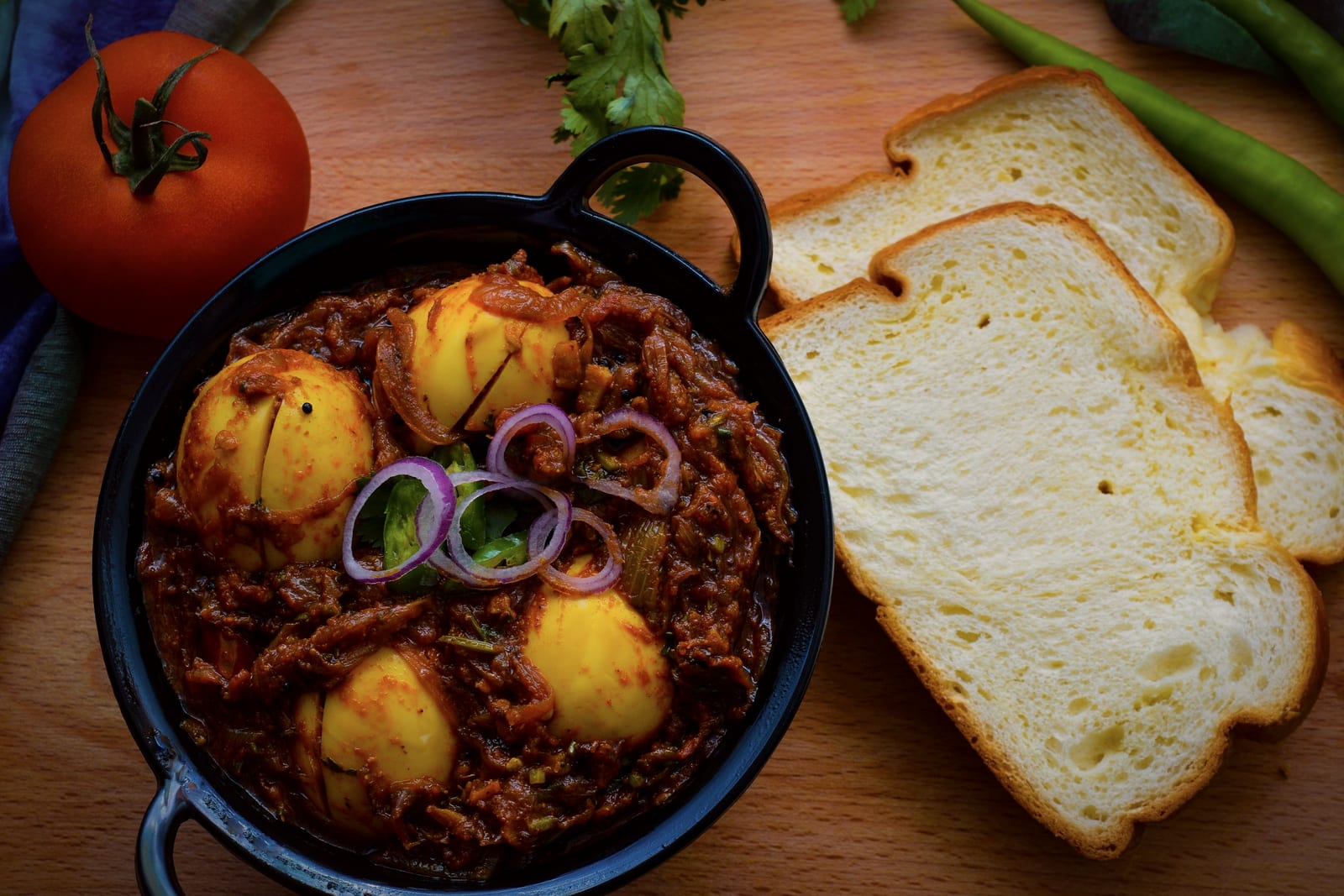
Simmered, shredded, stewed again
Ropa vieja is made in two stages. First a piece of beef is simmered in water with aromatics until it can be pulled apart by hand; then the meat is torn into long threads and cooked again in a sofrito — onion, green and red bell pepper and garlic softened in oil, with tomato, cumin, oregano, bay and a splash of dry white wine — loosened with some of the cooking broth. The threads of meat tangled with strips of pepper are said to resemble a pile of rags, which gives the dish its name.
In Cuba the usual cut is flank steak (falda), whose long, parallel fibres shred into neat strands. Brisket and skirt are common alternatives. The broth left over from the first stage is often kept for soup or for cooking rice.
From Canary leftovers to Cuba
The dish came from Spain, and specifically from the Canary Islands, from which many emigrants settled in Cuba from the 18th to the early 20th century. In the Canaries and in Andalusia, ropa vieja was originally a way of using leftover meat from a cocido or puchero, the boiled dinner of meat, chickpeas and vegetables: the next day the meat was shredded and fried with chickpeas, potatoes, peppers and tomato. In Cuba the dish lost the chickpeas, became centred on beef cooked for the purpose, and took on the Caribbean sofrito.
A legend tells of a poor man who, having nothing to feed his family, cooked his old clothes while praying, and found them turned into a beef stew. The story is sometimes described as Sephardic in origin. It is folklore and is not evidence of the dish's history.
Beef became scarce in Cuba after the 1960s, when its sale was restricted by the state; versions with other meats, and even with banana peel or soy, appeared at home. Among the Cuban diaspora in Miami, ropa vieja remained a symbol of the island's cooking. Nitza Villapol's mid-century cookbook Cocina al minuto included it among the classics of Cuban home cooking.
Ingredients
| Ingredient | Amount | Note |
|---|---|---|
| Flank steak (falda) | 1 kg / 2.2 lb | or brisket |
| Bay leaves | 2 | for the first cooking and the sofrito |
| Olive oil | 60 ml / ¼ cup | |
| Onion | 1 large (about 250 g / 9 oz) | half for the broth, half sliced thin |
| Green bell pepper | 1 (about 180 g / 6 oz) | sliced into strips |
| Red bell pepper | 1 (about 180 g / 6 oz) | sliced into strips |
| Garlic | 4 cloves, about 15 g / ½ oz | minced |
| Tomato purée (passata) or crushed tomatoes | 400 g / 14 oz | |
| Tomato paste | 30 g / 2 tbsp | optional, deepens colour |
| Dry white wine | 120 ml / ½ cup | or dry cooking wine |
| Ground cumin | 2 g / 1 tsp | |
| Dried oregano | 1 g / 1 tsp | |
| Salt and black pepper | to taste | |
| Pimiento-stuffed olives, capers | 50 g / ⅓ cup | optional, common in Cuba |
Method
- Put the beef in a pot with half the onion, a bay leaf, salt and water to cover by 3 cm / 1 in. Simmer gently, partly covered, for 1½ to 2 hours, until the meat pulls apart easily (about 45 minutes in a pressure cooker).
- Let the meat cool in its broth for 20 minutes, then lift it out and pull it into long shreds with two forks or your fingers, following the grain. Keep 500 ml / 2 cups of the broth.
- In a wide pan, heat the oil and cook the sliced onion and peppers over medium heat for 8 to 10 minutes until soft. Add the garlic, cumin and oregano and cook 1 minute.
- Add the wine and let it reduce by half, then the tomato purée, tomato paste and remaining bay leaf. Simmer 10 minutes.
- Add the shredded beef and 250 ml / 1 cup of the broth. Simmer uncovered for 20 to 30 minutes, adding more broth as needed, until the sauce coats the meat. Stir in olives and capers, if using, at the end.
- Season with salt and pepper. Like most stews, ropa vieja is often better reheated the next day.
Canaries, Venezuela, Puerto Rico
Canary Islands. The original ropa vieja canaria combines shredded beef, often with chicken or pork from a stew, with chickpeas, potatoes, peppers, garlic and paprika fried together. It remains a common dish in the islands.
Venezuela. Carne mechada is shredded beef in a similar sofrito and is one of the four parts of pabellón criollo, the national dish, with black beans, white rice and fried ripe plantain. In Colombia, carne desmechada is a close relative.
Puerto Rico and Panama. Puerto Rican cooks add sofrito with culantro and ají dulce and serve it with rice; in Panama, ropa vieja is also eaten with white rice and plantains.
Related. Mexico's salpicón and deshebrada are shredded beef dishes of the same family. Boiled beef pulled into threads is also the base of empanada fillings in parts of South America.
Rice, black beans, plantains
The classic Cuban plate is ropa vieja with white rice, black beans (or congrí, rice cooked with black beans) and fried ripe plantains (maduros) or green plantain tostones. A simple salad of tomato and avocado is common. Leftovers fill sandwiches and empanadas.
Common mistakes: boiling the beef hard (it shreds into dry fibres), cutting across the grain before shredding (short pieces instead of threads), and adding too much broth so the dish becomes a soup rather than a moist stew.
Frequently asked questions
Why is it called ropa vieja?
"Ropa vieja" means "old clothes" in Spanish: the shredded beef tangled with strips of pepper looks like a pile of rags. The name also reflects its origin as a dish of leftover meat.
What cut of beef is best for ropa vieja?
Flank steak is the traditional Cuban choice because its long fibres shred into strands. Brisket and skirt also work.
Is ropa vieja Cuban or Spanish?
Both: it originated in the Canary Islands and southern Spain as a dish of leftover stew meat, and developed its best-known form in Cuba, where it is considered the national dish.
What is served with ropa vieja?
In Cuba, white rice, black beans and fried plantains, sometimes with avocado salad.
Sources
4
- Larousse Gastronomique, rev. ed. London: Hamlyn, 2009.
- McGee, Harold. On Food and Cooking: The Science and Lore of the Kitchen, rev. ed. New York: Scribner, 2004.
- Villapol, Nitza; Martínez Martínez, Martha. Cocina al minuto. Havana, 1954.
- Presilla, Maricel E. Gran Cocina Latina: The Food of Latin America. New York: W. W. Norton, 2012.
Related